


 United States (USD)
 Singapore (SGD)
 African Country (USD)
 Australia (AUD)
 Canada (USD)
 Egypt (USD)
 European Country (EUR)
 Hong Kong (HKD)
 India (USD)
 Indonesia (IDR)
 Iran (USD)
 Iraq (USD)
 Japan (JPY)
 Myanmar (USD)
 Oman (USD)
 Qatar (USD)
 Saudi Arabia (USD)
 Switzerland (CHF)
 Taiwan (USD)
 Turkey (USD)
 UAE (USD)
 United Kingdom (GBP)
 International (USD)
 Written by
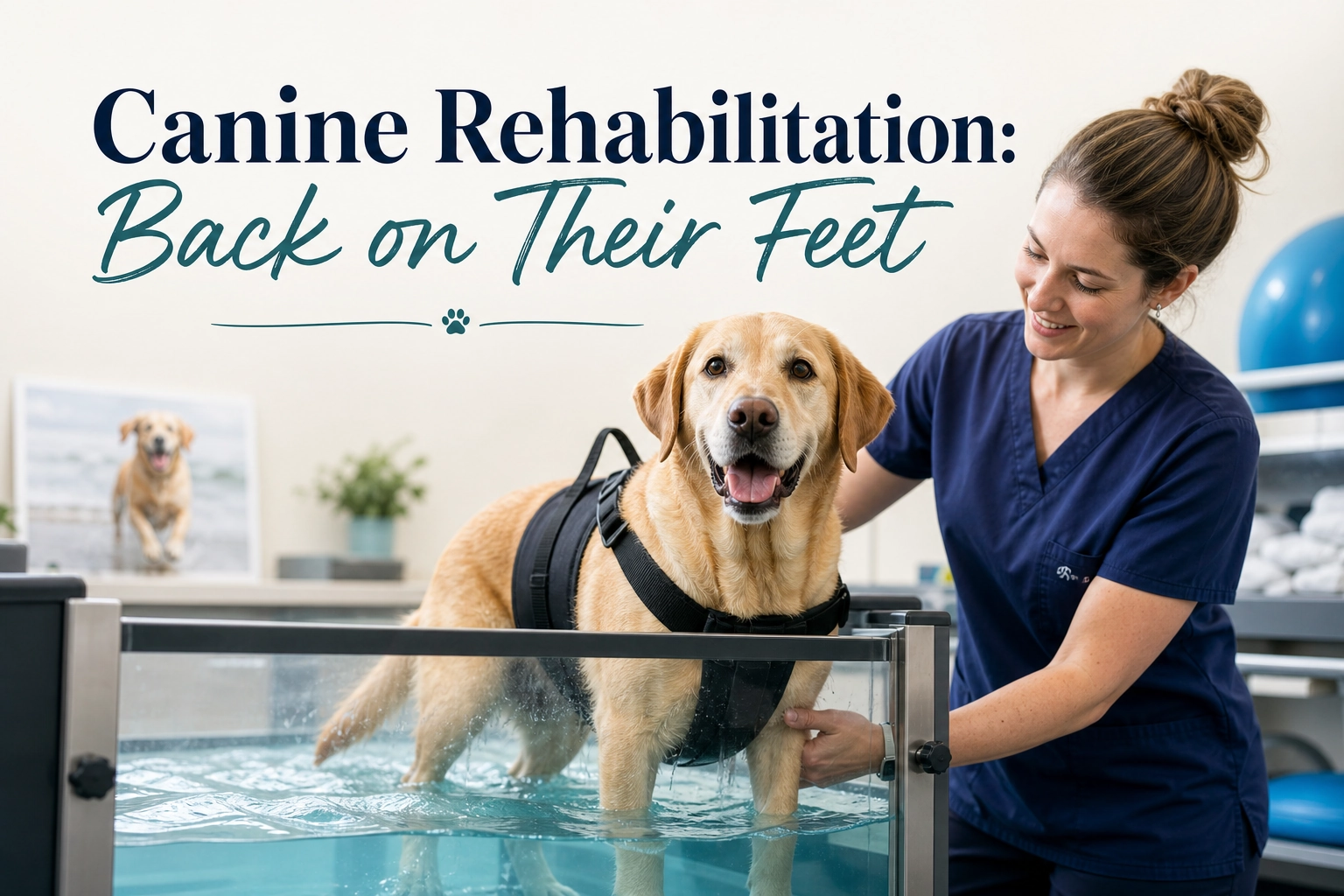
When your dog slows down, struggles to rise, or has just had surgery, canine rehabilitation therapy is an option that reduces pain, restores movement, and improves quality of life. Let's explore the tools and methods.
When a dog ages, gets injured, or has just had major surgery, owners may notice slower steps, difficulty getting up, or dullness from accumulated pain. In the past the only option might have been pain medication, but today veterinary medicine has developed "canine rehabilitation therapy" to extend lifespan, reduce suffering, and restore a good quality of life. Today I'll take you through it.
Put simply, it's physical therapy for dogs, delivered by a veterinarian or a certified canine rehabilitation practitioner. The main goals are to reduce pain from arthritis, muscle inflammation, or neurological conditions; restore movement to a proper range of motion; build muscle to prevent muscle atrophy; and speed healing after bone or tendon surgery.
The AKC notes rehab isn't limited to accident cases but covers many groups (American Kennel Club):
Vets often combine several techniques (a multimodal approach):
Water's buoyancy supports up to 60–70% of body weight, letting dogs step and train muscles and joints without pain. Ideal for overweight and paralyzed dogs.
Low-level laser aimed at painful areas boosts blood flow, reduces inflammation, and speeds deep cell repair.
Cold reduces acute swelling and inflammation; heat relaxes tight muscles before stretching the joints.
Walking over Cavaletti poles or balancing on peanut balls trains balance and joint position awareness (proprioception).
Beyond hi-tech tools, therapeutic massage matters too. AKC experts confirm massage reduces stress (lowering cortisol), stimulates the lymphatic system, and relieves muscle tightness (American Kennel Club). Owners can learn basic moves to continue at home — read the details in our home dog-massage guide.
Caution: never massage a dog with a high fever, open wounds, unset fractures, skin infection, or cancer, as it may stimulate the spread of cancer cells.
Research in the leading journal Vet Record (BVA Journals) highlights that both vets and owners now focus more on long-term pain management, giving chronic-disease dogs options beyond NSAIDs alone — better for the liver and kidneys long term. But the main barriers are "cost" and "time" of frequent hospital visits. Vets therefore stress that over half the success happens "at home" through client compliance — if you do the homework the vet assigns consistently, the odds of your dog walking normally again rise significantly (Vet Record, BVA Journals).
Rehabilitation and massage aren't luxuries — they're medical science that extends the happy time between you and your dog. If your dog starts limping, struggling to rise, or has just had surgery, consult your treating vet to plan a rehab program tailored to your dog.
1. What is canine rehabilitation?
It's physical therapy for dogs, similar to human physiotherapy — to reduce pain, restore movement, build muscle, and speed post-surgery healing, delivered by a vet or certified rehab practitioner.
2. Which dogs should have rehabilitation?
Post-surgery dogs (cruciate ligament/IVDD), senior dogs with arthritis, overweight dogs, and sporting/working dogs all benefit from rehabilitation.
3. Is hospital treatment alone enough?
It's very important. Research shows over half the success happens at home through owner cooperation — doing the vet's assigned homework consistently greatly improves recovery odds.


